
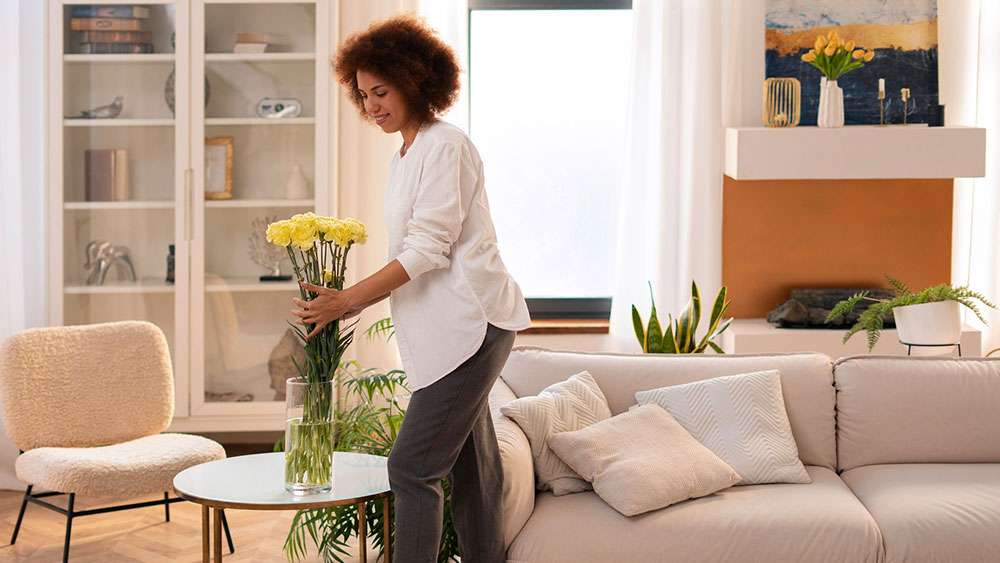
In the competitive world of real estate, your home is a product that must stand out on the proverbial shelf. Home staging is the art of packaging that product to appeal to the widest possible audience. It goes beyond simple cleaning or decorating; it is a strategic marketing exercise designed to showcase a property’s best features while minimizing its flaws. When done correctly, staging allows potential buyers to emotionally connect with a space, envisioning their own lives unfolding within its walls. This emotional connection is often the catalyst for a strong, competitive offer.
The Financial Logic Behind Staging
Home staging is rarely an expense; it is an investment in the final sale price of your property. Real estate data consistently shows that staged homes spend significantly less time on the market compared to their unstaged counterparts. A home that sits on the market for an extended period often becomes “stale,” leading to price reductions that far exceed the cost of staging. By investing upfront, you protect your equity and speed up the transaction process.
Furthermore, staging helps justify your asking price. When a home looks turnkey and well-maintained, buyers are less likely to look for faults or negotiate aggressively on repairs. They perceive the value of the property to be higher because the presentation is polished. This perception of value is critical in maximizing your return on investment.
Creating a Visual Flow and Purpose
One of the primary goals of staging is to demonstrate how a buyer would actually utilize the square footage of the home. Empty rooms can surprisingly look smaller than furnished ones because there is no frame of reference for scale, while cluttered rooms feel chaotic and cramped. By arranging furniture strategically, you guide the buyer’s eye through the home and establish a logical, functional flow.
Defining Ambiguous Spaces
Many homes have odd nooks, lofts, or extra rooms that can confuse potential buyers. If a room does not have a clear purpose, the buyer may view it as wasted space. You must give every square foot a job description.
Stage that awkward alcove as a home office or a reading nook. Turn a small spare room into a guest bedroom or a dedicated nursery. By defining the function, you answer the buyer’s question of “what would I do with this?” before they even have to ask it.
Floating Furniture for Better Traffic
A common mistake homeowners make is pushing all furniture against the walls to create a large open space in the middle. While this might seem like it maximizes floor space, it often makes a room feel disconnected and cold. Instead, pull furniture away from the walls to create cozy, intimate conversation areas.
This technique, known as “floating” the furniture, makes the room feel more dynamic and inviting. It also creates clear traffic pathways, allowing buyers to move through the room easily without navigating an obstacle course. Good flow makes the home feel larger and more breathable.
Maximizing Light and Space
Lighting is perhaps the most underrated element of a successful home sale. A dark home feels smaller, older, and less inviting, whereas a bright home feels expansive and clean. You must aggressively manage both natural and artificial light to ensure your home looks its absolute best during showings.
Harnessing Natural Light
Start by removing heavy drapery and replacing it with sheer curtains, or simply leave the windows bare if privacy is not an issue. Thoroughly clean all windows inside and out to allow the maximum amount of sunlight to penetrate the rooms. If you have overgrown bushes or trees blocking windows, trim them back immediately.
During showings, open all blinds and curtains completely. Natural light has a powerful psychological effect on buyers, making them feel more positive about the space. It highlights the condition of the floors and the openness of the layout.
Optimizing Artificial Lighting
For evening showings or darker corners of the house, your artificial lighting plan must be on point. Ensure that every single light fixture has a working bulb and that all bulbs in a room share the same color temperature. Mixing cool blue LEDs with warm yellow incandescents creates a jarring and unpolished look.
Aim for a “soft white” or “warm white” temperature, generally around 2700K to 3000K, which is flattering to both the interior finishes and skin tones. Add floor lamps or table lamps to dark corners to eliminate shadows. A well-lit room feels larger and more welcoming.
Targeting the High-Value Rooms
You do not necessarily need to stage every single room in the house to get a great result. Most buyers make their decision based on a few key areas: the living room, the kitchen, and the primary bedroom. Focusing your budget and energy on these high-impact zones ensures you get the most leverage out of your staging efforts.
The Living Room
The living room is where families spend the majority of their time, so it needs to feel relaxing and spacious. Remove personal photos, religious items, and political memorabilia to create a neutral environment. Add a few throw pillows in cohesive colors to add texture and comfort without cluttering the sofa.
The Kitchen
The kitchen is often the single most important room for determining value. Clear the countertops of all appliances, including toasters and coffee makers. You want to show off the counter space, not your kitchen gadgets.
Scrub the cabinets and appliances until they sparkle. If the cabinets are dated, simply replacing the hardware with modern pulls can work wonders. A bowl of fresh fruit or a vase of flowers is all the decor you need here.
The Primary Bedroom
This room should sell the idea of relaxation and retreat. Invest in crisp, white bedding, which instantly creates a luxury hotel vibe. Remove bulky dressers if they make the room feel tight; the bed should be the clear focal point.
Clear off the nightstands, leaving only a lamp and perhaps a small book or plant. Buyers want to see a sanctuary, not a laundry folding station. Keep the color palette soft and neutral to promote a sense of calm.
The Final Polish: Sensory Staging
Visuals are critical, but a buyer experiences a home with all their senses. If a home smells like pets, smoke, or strong cooking spices, the visual staging will not matter. You must address odors at the source rather than trying to mask them with heavy air fresheners.
Deep clean carpets and upholstery to remove trapped odors. Open windows to air out the home before a showing. Subtle, clean scents like vanilla or citrus are generally safe, but they should be barely legally detectable.
Finally, consider the soundscape. If you live on a busy street, a small water feature or soft instrumental music can help mask traffic noise. These subtle touches create a complete and immersive experience for the buyer.
Closing Points
Staging is a powerful tool that bridges the gap between a house and a home. It allows buyers to bypass the distraction of someone else’s life and immediately envision their own future in the space. By focusing on flow, lighting, and key living areas, you can significantly increase the perceived value of your property. While it requires upfront effort and a small financial commitment, the return in the form of a faster sale and a higher price is well worth the investment. Treat your home sale like a business transaction, and stage your product for success.